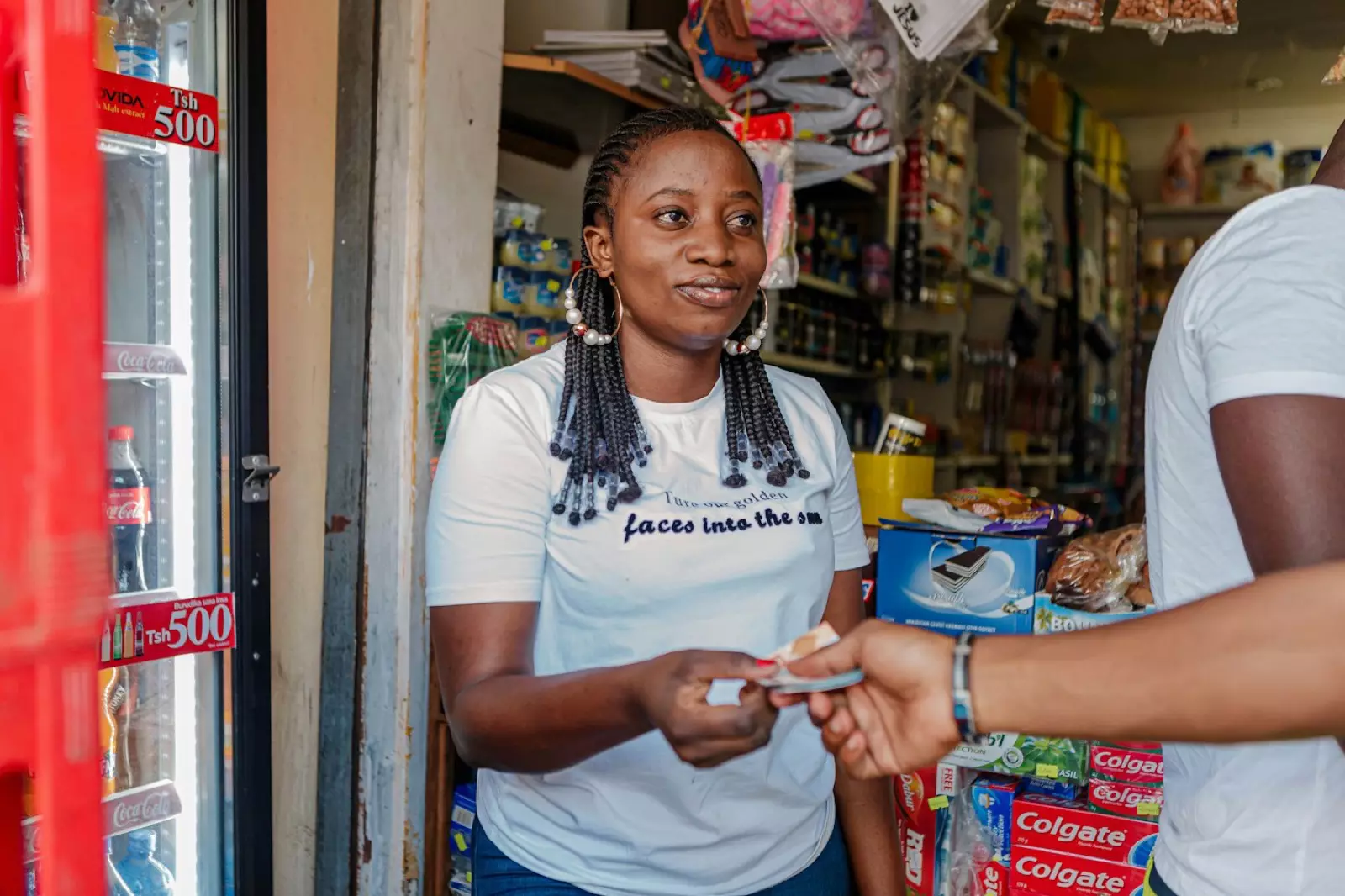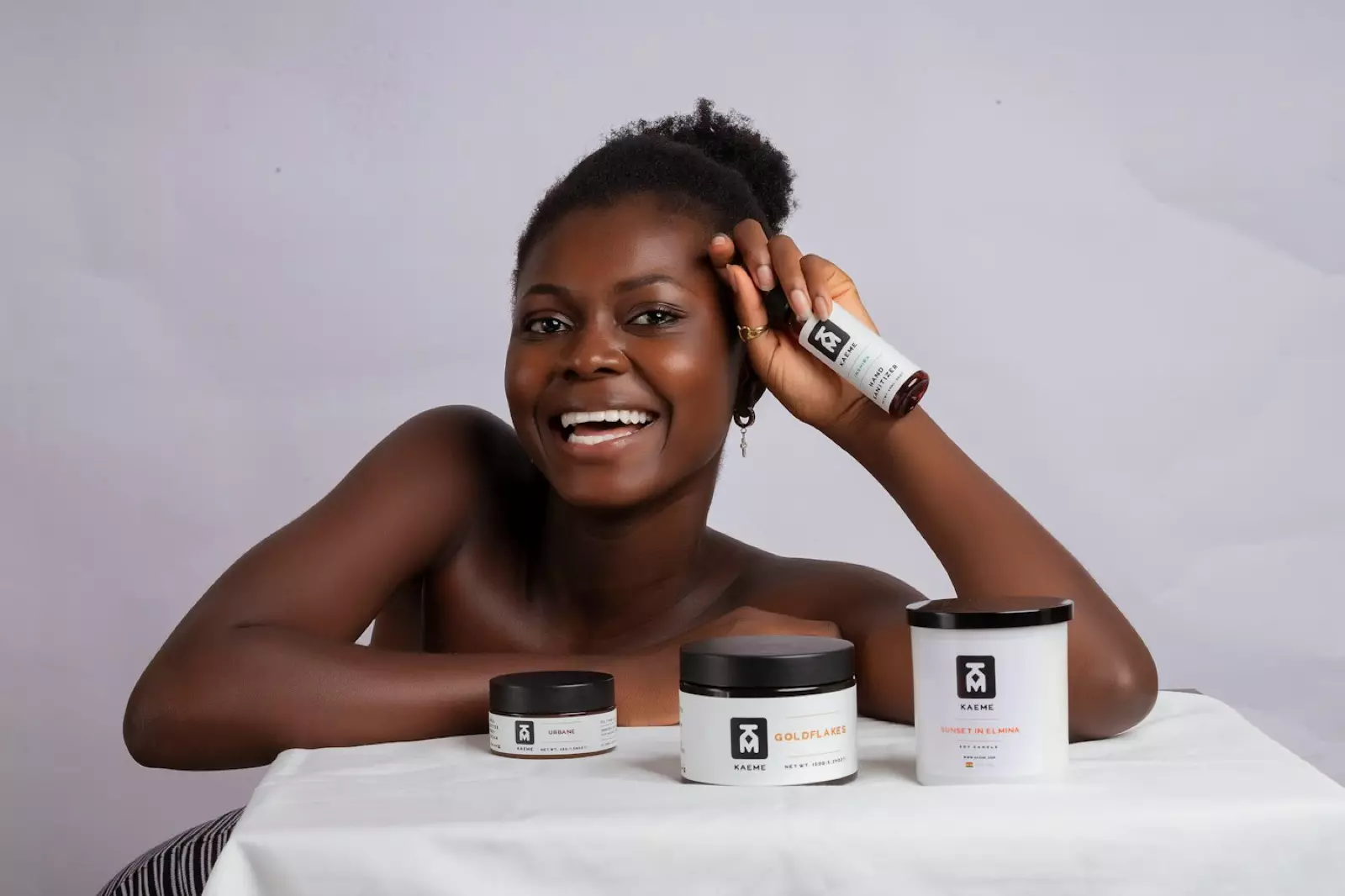
The best testimonials are specific: they say who the customer is, what problem they had, what changed after buying, and how they feel about it now. To get them, ask at the moment of the result (not just after payment), ask two or three guiding questions instead of "please leave a review", make it easy to reply on WhatsApp, and ask permission to use their name and photo. Then place them where doubt appears: next to the price, near the buy button, under claims that sound too good, and in your ads.
Why testimonials matter so much
In Ghana especially, buyers want to know "has anyone like me bought this and been happy?" before paying a stranger online. A real customer saying "it worked" is more convincing than anything you say about yourself.
Weak vs strong testimonials
| Weak | Strong |
|---|---|
| "Great product!" | "My dark spots from acne faded in 6 weeks. I wear less foundation now." Akua, Kumasi |
| "Nice course." | "I passed the Excel test at my bank interview. The pivot table lesson was exactly what they asked." Kojo, Accra |
| "Fast delivery." | "Ordered at 10 am, had my cake by 3 pm for my daughter's party." Ama, Tema |
| "Very good service." | "She redid my CV in 3 days. Two weeks later I had 3 interviews." Efua, Spintex |
Strong testimonials have a specific result, a detail that makes them believable, and a real person (name and area, or a photo).
When to ask
- After the result, not just the purchase. Skincare: after 3–4 weeks. Course: when they finish a module or pass the test. Physical product: a few days after delivery.
- When they message you happy. If a customer sends "thank you, it's lovely!", that's the moment: "So glad! Can I share your message (with your first name) so others can see?"
- After you solve a problem for them. A well-handled complaint often turns into a great review.
What to ask (scripts)
Don't say "please leave a review". Ask questions that produce a useful answer:
WhatsApp message:
Hi Akua! It's been about a month with the serum, how's it going? 😊 If you have a minute, could you tell me:
- What was your skin like before?
- What's changed since?
- What would you tell a friend thinking about trying it? A voice note is fine too! 🙏
After a course:
Congrats on finishing! Quick favour: what were you hoping to get from the course, and what's the one thing that helped most? Has anything changed since?
Permission line:
Would you be okay with me sharing this with your first name and area (e.g., "Akua, Kumasi")? A photo would be amazing, but only if you're comfortable.
Turning raw replies into testimonials
Customers rarely write perfect testimonials. You can tidy them, but never change the meaning:
Raw reply:
eii the serum is working oo. my spots wey i got from pimples dey go small small. like 6 weeks now. i dont even wear plenty foundation again
Tidied (with the customer's OK):
"The serum is working! The spots I got from pimples are fading, it's been about 6 weeks. I don't even wear much foundation anymore." Akua, Kumasi
Keep their voice. Over-polished testimonials sound fake. Some brands share the original screenshot instead, which can be even more believable.
Types of social proof
| Type | Example | Best for |
|---|---|---|
| Written testimonial | A quote with name and area | Sales pages, product pages |
| Screenshot | A WhatsApp message (with permission, number hidden) | Statuses, posts |
| Photo | Customer wearing or using the product | Fashion, beauty, food |
| Video | 30-second customer talking | Ads, sales pages |
| Before and after | Two photos, same lighting | Beauty, fitness, services |
| Numbers | "1,200 orders since January" | Headlines, near the price |
| Reviews on the product | Star ratings and comments | Product pages |
| Logos/names | "Trusted by staff at…" | B2B, services |
Where to put testimonials
- Near the top of the sales page: one short, strong result.
- Next to the price and buy button: where doubt is highest.
- Under a big claim: "Fades dark spots in 4–8 weeks" + a customer who saw it.
- In the FAQ: answer "Does it work for beginners?" with a beginner's testimonial.
- In ads: a customer's result as the hook.
- In follow-up emails and cart reminders: "Still thinking? Here's what Ama said."
On Paylead, buyers can leave reviews on your products, and those reviews show on your product pages. See how to get customer reviews for your online store.
Stay honest
- Never invent testimonials or post reviews from friends who didn't buy.
- Get permission for names and photos. Hide phone numbers in screenshots.
- Don't edit away the meaning or add results the customer didn't mention.
- Be careful with health and money claims. Even true results aren't typical for everyone; say "results vary" where it matters.
Build a testimonial library
Create a folder or note with every testimonial, sorted by:
- Product
- Result (saved money, passed exam, clearer skin)
- Objection it answers (price, beginner, delivery, "is it original?")
When you write a page, ad or reply, pull the one that answers the doubt you're facing.
Frequently asked questions
Can I pay for testimonials?
Don't pay for positive reviews. You can thank customers with a small gift or discount for sharing honest feedback, whether positive or not.
What if I get a bad review?
Reply politely and fix the problem publicly where you can. A business that handles complaints well often earns more trust than one with only perfect reviews.
Read next: storytelling in marketing and how to write a sales page that sells.