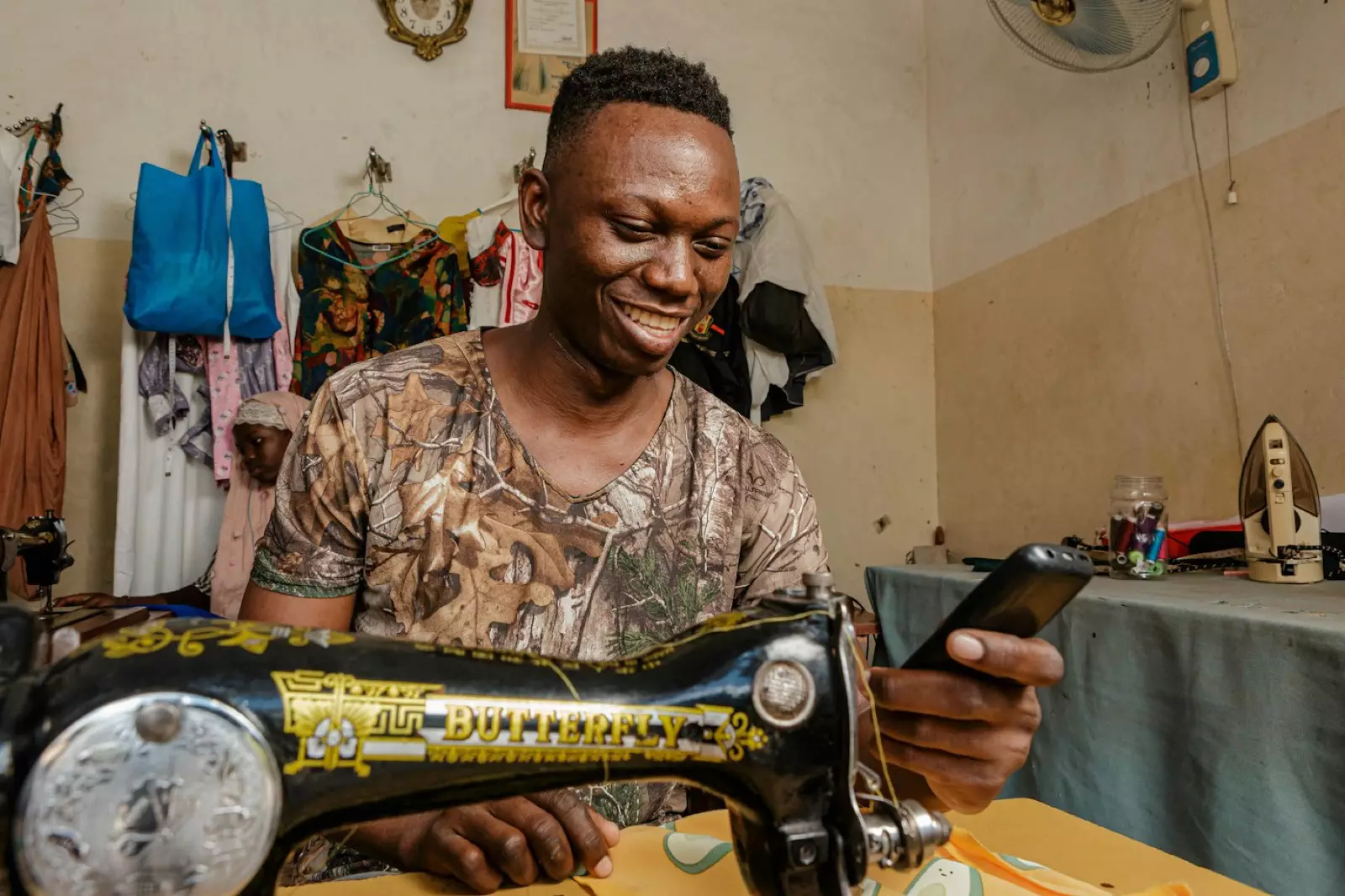
Every seller in Ghana wants to know one thing: of the money my customer pays, how much actually reaches me?
The answer changed a lot in the last two years. The E-Levy was scrapped, a new MoMo-to-bank fee was announced and then paused, and more sellers now take payments online instead of by direct transfer. This guide explains what you pay in 2026 and how to keep more of each sale.
This guide reflects the rules at the time of writing (October 2026). Network operators can change their fees, so check their official channels before relying on a number.
What changed: the E-Levy is gone
The 1% Electronic Transfer Levy (E-Levy) on mobile money transfers was repealed in 2025. Parliament passed the repeal in March 2025, the law was signed on 2 April 2025, and networks such as MTN stopped deducting it. If you priced your products to cover the E-Levy, you no longer need to.
The 0.75% MoMo-to-bank fee: paused
On 25 May 2026, MTN announced a 0.75% charge (capped at GH₵ 5) on transfers from MoMo wallets to bank accounts, due from 1 June 2026. The next day, the Bank of Ghana directed that it be suspended for further consultation. For now, moving money from your MoMo wallet to your bank account doesn't carry that charge. Keep an eye on the news in case it returns in a new form.
The three ways sellers receive money, and what each costs
1. Direct MoMo transfer to your number
The buyer sends money to your personal or merchant number.
- Cost to you: usually little or nothing to receive, depending on your network and wallet type. Cashing out at an agent has its own fee.
- Hidden costs: your time checking every payment, matching names to orders, fake "payment successful" screenshots, and no automatic receipt for the buyer.
It works for a handful of sales a week. It breaks down once you're busy.
2. A payment gateway on your own website
Gateways connect mobile money and cards to a website.
- Cost to you: a percentage per transaction, plus fees to move money out. Check each provider's pricing page.
- Hidden costs: you need a website and usually a developer to connect it, plus business documents for approval.
3. A store or checkout with payments built in
Platforms like Paylead give you the store, product pages, checkout, receipts and payouts together.
- Cost on Paylead: 4% + GH₵ 1 per online sale, with payment processing included. Cash on delivery and pay-later orders cost 2% + GH₵ 1. The minimum fee is GH₵ 2. Each withdrawal to MoMo or bank is a flat GH₵ 5.
- What's included: the store and sales pages, MTN MoMo, Telecel Cash, AirtelTigo Money, Visa and Mastercard, SMS and email receipts for buyers, cart reminders and an order list.
Real examples on Paylead
| Sale | How the buyer pays | Fee | You receive |
|---|---|---|---|
| GH₵ 50 e-book | MoMo, online | GH₵ 3 (4% + GH₵ 1) | GH₵ 47 |
| GH₵ 200 dress | MoMo, online | GH₵ 9 | GH₵ 191 |
| GH₵ 200 dress | Cash on delivery | GH₵ 5 (2% + GH₵ 1), taken from your wallet | GH₵ 195 |
| GH₵ 1,000 course | Card, online | GH₵ 41 | GH₵ 959 |
Then one GH₵ 5 fee each time you withdraw, however many sales the withdrawal covers. Withdrawing once a week instead of after every sale keeps that cost tiny.
How to keep more of every sale
1. Let the buyer pay the fee. Turn on Customer pays transaction charges and the buyer sees a small fee at checkout while you receive your full price. Many sellers do this on lower-priced items.
2. Withdraw less often. A flat fee per withdrawal means one weekly withdrawal costs GH₵ 5, while ten small ones cost GH₵ 50.
3. Raise your average order instead of your price. An order bump ("add a matching scarf for GH₵ 40") joins the same order, so the flat GH₵ 1 isn't charged twice.
4. Stop losing sales to failed payments. Network drops and short balances kill sales. Automatic cart reminders by SMS and email win many of them back.
5. Count your time. If confirming payments by hand takes an hour a day, that's 30 hours a month you could spend selling.
Watch out for these
- Anyone asking for your MoMo PIN. No legitimate buyer, platform or network needs it to pay you.
- "Reversal" calls. Scammers claim they sent money by mistake and ask you to send it back. Check your actual balance, not a text message.
- Fake screenshots. Only trust payments confirmed in your wallet or your sales dashboard.
Frequently asked questions
Is the E-Levy still charged in Ghana?
No. The E-Levy was repealed in 2025 and networks stopped deducting it in April 2025.
Is there a charge for MoMo to bank transfers in 2026?
MTN announced a 0.75% fee (capped at GH₵ 5) from 1 June 2026, but the Bank of Ghana suspended it on 26 May 2026. Check for updates, as it could be revised and reintroduced.
How much does Paylead charge per sale?
4% + GH₵ 1 for online payments by MoMo or card, with payment processing included, and 2% + GH₵ 1 for cash on delivery. You can pass the fee to the buyer. Withdrawals cost a flat GH₵ 5.
Can I make the customer pay the transaction fee?
Yes. On Paylead, turn on Customer pays transaction charges in your store settings and you receive the full product price.
What's the cheapest way to receive money as a seller in Ghana?
Direct transfers cost the least in fees but the most in time and risk once you have many orders. A built-in checkout costs a small fee per sale but confirms payments, sends receipts and records every order for you.